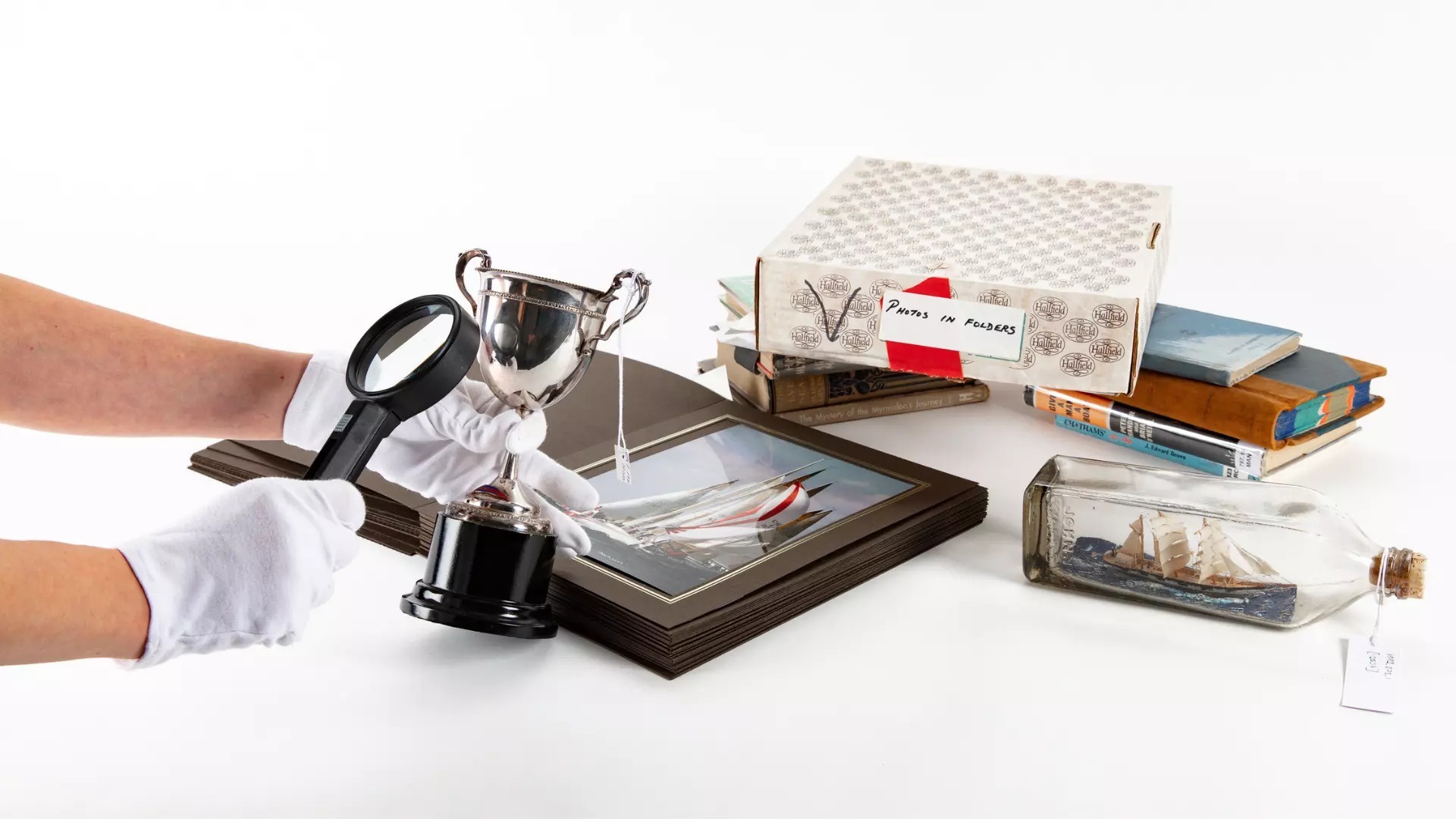
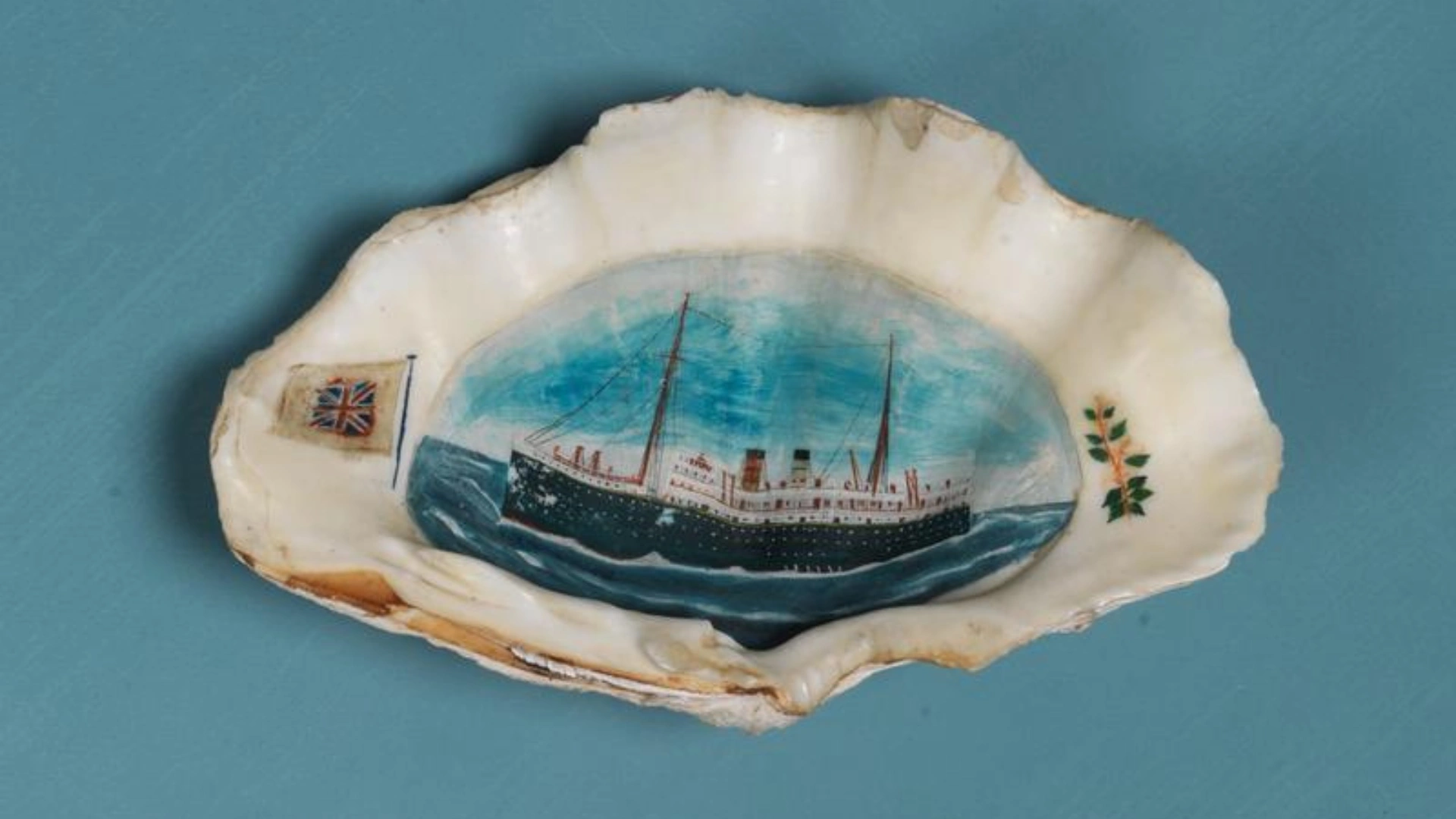
Since the 1980s the Museum has been acquiring a collection that shares the maritime stories and history of Aotearoa New Zealand. The Museum holds a collection of over 130 watercraft ranging in size and complexity from a surfboard to an 18-metre ketch-rigged scow TED ASHBY. This includes watercraft artifacts from the earliest days of Pacific voyaging, to the arrival of Europeans and through to present day such as canoes, yachts, waka, vessels parts and steam engines.
Collections
NZMM Behind the Scenes: Collection Care
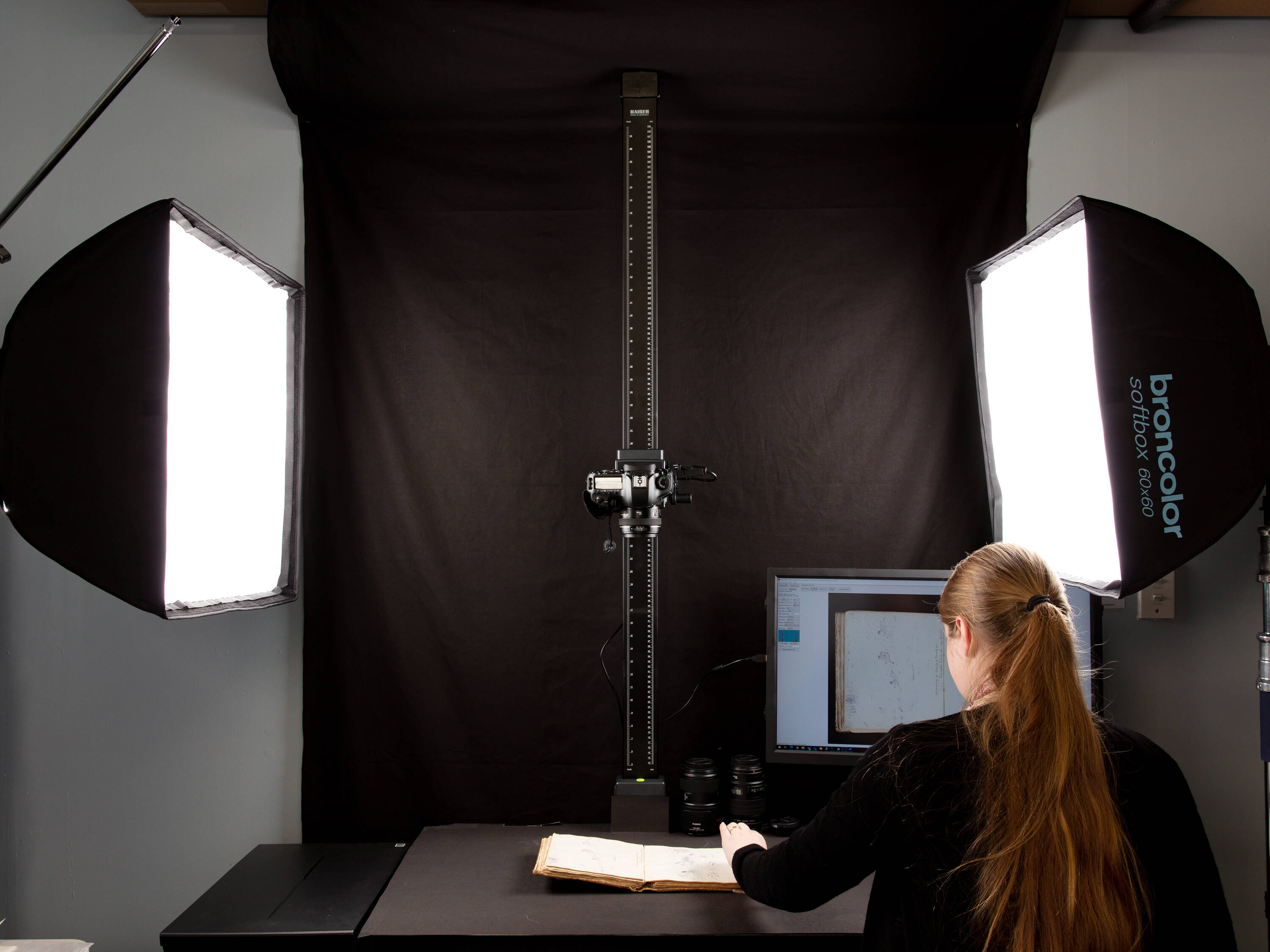
Digitisation Resource Hub
Explore our comprehensive collection of guides created by our Digitisation Team, aimed at individuals or institutions embarking on a museum digitisation journey.

Collection FAQs
- Polynesian and Māori vessels and navigation
- European voyages of exploration
- Settlement and immigration
- Early coastal trading
- Whaling and sealing
- Modern commercial shipping
- Lifeboat services, pilotage and coastguard activities
- Navigation and marine surveying
- Maritime art and crafts
- Recreation and sporting maritime activities
- Maritime trades
- Harbour and port history
Many taonga and objects remain in storage for research purposes, conservation and preservation. If you or your family member has previously made a donation and wish to access the taonga or object, or if you are requesting access for a research enquiry, please email: collections@maritimemuseum.co.nz. Please note, staff require two weeks’ notice in writing and can facilitate research and access requests Monday to Friday, 9am – 3pm.
Yes! The museum has an extensive online collection with over 35,000 items that can be viewed for free. Click here to browse.
While the library does not hold passenger or crew lists, additional resources in the collection may include:
- Photographs of some passenger ships
- Selected ephemera such as deck plans, accommodation plans or menus
- A small number of shipboard diaries and logs
Other useful resources
- Search passenger lists 1839-1973 (Archives New Zealand)
- Papers Past New Zealand newspaper search
Photography on-site is allowed for many library and archival items, with staff guidance. Some restrictions may apply.
Charges apply for scanning. Fees for scans, copies and prints apply. Rights and usage costs apply.
Photography is permitted in our galleries for personal use only.
If you would like to reproduce material from the collection, the copyright approval must be obtained through the rights holder not through the museum and this approval must accompany your image request to the museum.
The museum collects and cares for a wide range of taonga and artefacts related to Aotearoa New Zealand maritime history and activities and has received generous donations from the community since its establishment and opening in 1993.
There is a process for assessing the donations to the collection and proposals for addition to the collection are made by a committee decision.
As a charitable trust, we rely on donations to enhance and grow the museum collection. The vast majority of items in the museum collection were donated by people or organisations interested in preserving our maritime history. Head to our Donation page for more information on making a donation to our collection.
Deaccessioning an object means removing it permanently from the museum’s collections. The decision to deaccession an object from the permanent collection is rarely taken. Reasons to deaccessions an object can include excessive resource commitments, changes in condition, illegal or unethical acquisition, and health and safety risks from the object (e.g. asbestos).
A deaccession proposal is presented to the acquisitions committee for decision making. Once a deaccession decision is taken to remove an object from the collection, the disposal process is guided by International Council of Museums (ICOM) and Museums Aotearoa Codes of Ethics. This includes donated objects should be offered back to donors or their heir(s) and/or their views considered. Alternatively, an object is transferred to another public collection. If an object is sold on the open market, funds raised are strictly returned to acquisition fund to develop the collection. If an object is deaccessioned due to deterioration or health and safety issues, the disposal action is documented.